







Search Results for: Parc Central

Starbucks Reserve at Parc Central in Guangzhou Confirmed to Close: Why Do Stores in Core Commercial Districts Also Struggle to Survive?
Recently, news emerged that the Starbucks Reserve store at Guangzhou's Parc Central is set to close, with official confirmation that it will officially cease operations in the coming days. This store, which opened in 2017, was created by Starbucks to celebrate its 15th anniversary of entering the South China market and was once hailed as "one of Guangzhou's most design-forward stores." Unlike previously closed old stores located in declining foot traffic commercial districts, this closure is in a core commercial area of Tianhe District, surrounded by luxury brands, and the store was almost always full on a daily basis. However, high rent, low table turnover caused by the open-plan space, and phenomena such as "people only checking in for photos without consuming" may have made it difficult for the store to be profitable after deducting costs. Starbucks stated that the reason for the closure is adjustments to the business mix in the commercial district and said there are still more than 10 nearby stores for consumers to choose from. [more…]

Mayday Ashin's fashion brand coffee shop in Guangzhou Tianhuan will close as its lease expires, fans line up to say goodbye
The StayReal Cafe at Guangzhou's Parc Central has recently seen long queues at its entrance, with the store packed and orders streaming in continuously. This is not a promotion for a new store, but a farewell—due to the lease expiring and the brand not renewing it, this trendy coffee shop co-founded by Mayday's Ashin and artist No2Good is about to withdraw from Guangzhou. The StayReal clothing store in the same mall closed the night before, while the coffee shop will remain open until October 27. From the opening of its first South China store in 2016, which invited world-class coffee master Lin Dongyuan to show support and saw hundreds of fans queue overnight, to now closing stores one after another due to lease expirations, StayReal Cafe's situation reflects the dilemma celebrity catering brands face between fan economy and the mass market. Some netizens say that if the Guangzhou Parc Central store ends operations, the brand's coffee shops will have only one left in Shanghai. [more…]

Nayuki's PRO store at Guangzhou Tianhuan Plaza suddenly withdrew from the site. Why did this CBD flagship store, which had been operating for over four years, close just like that?
The Naixue store in the sunken plaza of Guangzhou Tianhuan Plaza was quietly withdrawn without any prior announcement. The orange-pink signboard was removed, and advertising fabric was pasted on the floor-to-ceiling glass, leaving many regular customers astonished. This Naixue PRO store, which opened in May 2021, was the first PRO store on the central axis of Guangzhou's CBD. In addition to regular tea drinks, it also offered coffee, baked goods, and snack merchandise, and had long served as a showcase for the brand's co-branded theme stores. After operating for more than four years with stable customer flow and continuous events, it suddenly disappeared one day, sparking various consumer speculations about the reason for the closure and drawing renewed attention to Naixue's ongoing trend of store contraction in recent years. [more…]

Peet's Coffee's first Guangzhou location is closing at the end of the month, drawing attention after shutting down two highly popular stores within a single month.
Recently, netizens reported that the Peet's Coffee store located on the first floor of Teemall in Guangzhou will cease operations on March 31. This store was Peet's first outlet after entering Guangzhou at the end of 2021 and also its second store in South China. Surprisingly, the store had been doing well since opening, often fully occupied, and the sudden closure notice caught many fans off guard. At the same time, Peet's also closed a popular store in Hangzhou's West Lake earlier this month. With two high-traffic stores shut down within a month, it has sparked discussions about the brand's development prospects. What exactly caused these closures? Is it due to adjustments in the business district's format, or challenges facing its high-end positioning? This article will review the sequence of events and various perspectives. [more…]
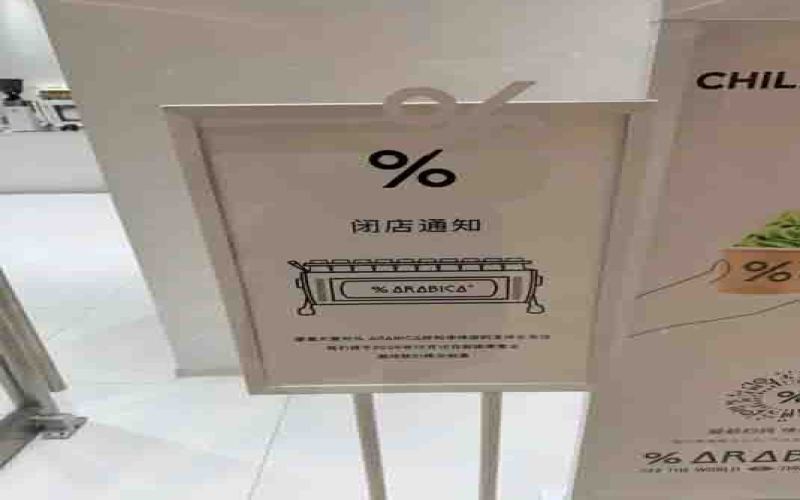
%Arabica's first Hohhot store closed less than six months after opening, sparking heated discussion about the pop-up store model and the value proposition of specialty coffee.
Recently, multiple netizens in Inner Mongolia posted that the %Arabica city first store located in Hohhot MIXC will officially cease operations starting December 16. This store only opened in early July this year simultaneously with the shopping mall, making it the brand's first store in Hohhot, and it was marked as a pop-up store on the official mini-program. It was originally planned to operate for about three months, and after the lease expired, it was renewed to continue operating until a closure notice recently appeared at the entrance. Regular customers felt caught off guard after receiving closure notification text messages and rushed to the store to check in and stock up on coffee beans. Nearby residents believe that %Arabica focuses on specialty coffee, and its pricing of over 40 yuan is not cost-effective; combined with the mall's fading popularity and reduced foot traffic, the pop-up store's business performance was average, so it is not surprising that it delayed until now before withdrawing. Since the beginning of this year, %Arabica stores in Nanning, Guangzhou, Wuxi, and other places have also closed one after another, continuing operations in the form of Kiosk coffee trucks. Some netizens speculate that after the closure of the Hohhot first store, the brand may return in a new form. [more…]
Tracing the History of Coffee Cultivation in Costa Rica: The Central American Birthplace and an Analysis of the Tarrazú Mirazú Estate
Costa Rica was the first country in Central America to cultivate coffee. Its coffee industry has developed since the mid-18th century and is renowned for its well-established organizational system and world-class quality. The country's seven main producing regions are distributed along the Central Plateau from northwest to southeast. Volcanic ash soil, mild temperatures, and abundant rainfall create exceptionally favorable growing conditions. The coffee beans produced are all Arabica, with pure flavor, pleasant aroma, and an excellent balance of acidity and body, making them suitable both as single-origin coffee and for blending. This article will trace the origins of coffee in Central America, explain in detail the cultivation altitudes, harvest seasons, and cupping performance of Costa Rica's producing regions, and focus on the world-famous Tarrazu region and Mirazu Estate, while also offering related recommendations from Front Street Coffee. [more…]
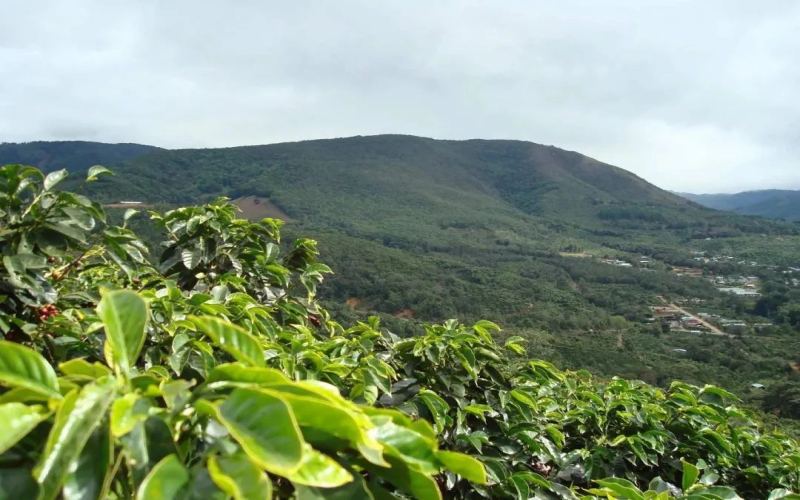
A Complete Analysis of Costa Rica's Seven Major Coffee Regions: The Terroir Code from Tarrazú to the Central Valley
Costa Rica, a Central American country whose name means "rich coast" in Spanish, is not only the first region in Central America to introduce coffee cultivation, but also, thanks to its high-altitude mountains, volcanic ash soil, and superior climatic conditions, has nurtured several world-renowned specialty coffee regions. From Tarrazú, the largest in output and the most famous, to the Central Valley, the oldest, the seven major regions each have their own distinctive terroir. This article will guide you through the development of Costa Rica's coffee industry, the geographical environment and flavor characteristics of each region, and introduce a range of high-quality Costa Rican coffee beans that Front Street Coffee continues to select for everyone. [more…]
Arabica Espresso Origin Selection: A Comparison Between Ethiopian SOE and Central & South American SOE
When making espresso SOE with Arabica beans, the choice of origin directly determines the flavor direction of the espresso. Ethiopian SOE and Central-South American SOE are two entirely different paths, each with its own charm, suited to drinkers with different taste preferences. Ethiopian SOE takes the route of intense floral and fruity aromas. Huakui sun-dried beans [more…]

Heytea's Wellington Street store in Central shuts down abruptly, signaling a shift in the brand's store layout across Hong Kong's core commercial districts
The Heytea store on Wellington Street in Central, Hong Kong, suddenly closed without any warning, sparking widespread discussion among nearby consumers and netizens. Since opening in March 2024, the store had quickly gained popularity through promotions such as buy-one-get-one-free offers and city-exclusive fridge magnets, maintaining a steady daily flow of customers and becoming a popular check-in spot for many residents and tourists. However, overnight, the store's signage was removed, the doors were locked, and the store's information was also taken down from the official mini-program. The reason for the closure has not yet been clarified—some speculate it is related to the high rents in Central or the expiration of the lease, while others believe it is a proactive adjustment by Heytea to its market layout. The brand responded that it evaluates store operations on an irregular basis, and whether it will return to Central in the future remains worth watching. [more…]
Costa Rica Central Valley Black Pearl Coffee Beans: Traceability, Flavor Analysis, and Brewing & Roasting Parameter Guide
Costa Rica is famous for its honey processing, but Front Street Coffee also brings sun-dried Central Valley Black Pearl and Red Pearl, showcasing fermented aromas, caramel, and fruity notes. This article starts with the history of Costa Rican coffee and its eight major producing regions, then details the Central Valley terroir, the characteristics of the Caturra and Catuai varieties, and the altitude grading system. It also takes an in-depth look at Las Lajas Estate and Sonora Estate, analyzing their special sun-dried and sun-dried processing flows. At the same time, it shares Front Street's brewing ideas for Black Pearl and Red Pearl as well as the Red Pearl roasting curve, providing a complete reference for coffee enthusiasts. [more…]

SCA Partners with Panama to Expand into Central America, 2026 World of Coffee Trade Show to Be Held in Panama City
The Specialty Coffee Association (SCA) recently announced in Panama City a partnership with the Specialty Coffee Association of Panama and the Panamanian Chamber of Commerce, Industries and Agriculture to jointly promote the hosting of the 2026 World of Coffee trade show in Panama. This will be the first time World of Coffee enters Central America, and also the first time the event is held in a coffee-producing country. With its outstanding performance in the specialty coffee sector and geographical advantages, Panama is regarded as an ideal hub connecting global coffee producers and traders. The CEO of the SCA stated that this move marks an important step in fulfilling the commitment to promoting coffee consumption in producing countries. This article outlines the background of the partnership, statements from all parties, and details of the event planning. [more…]
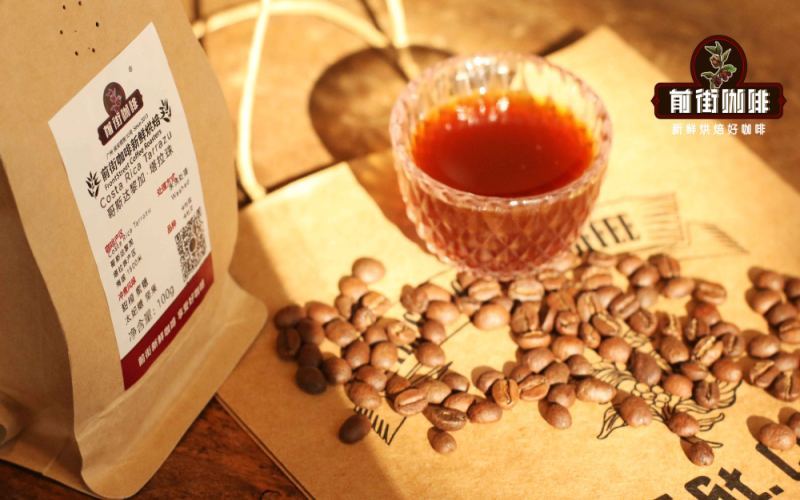
Costa Rica Red Honey Coffee Flavor Analysis: The Sweet-Acid Balance and Chocolate Texture of Las Haras Estate in the Central Valley
As the first country in Central America to cultivate coffee, Costa Rica boasts fertile volcanic soil and a suitable climate that nurture high-quality Arabica coffee with a balanced, mild profile and bright fruity acidity. This article focuses on Front Street Coffee's Costa Rica Las Haras Estate Red Honey processed coffee, offering an in-depth introduction to the characteristics of the Central Valley producing region, the background of Las Haras Estate, and its unique honey processing classification system. By comparing the pectin retention ratios and drying durations of Yellow Honey, Red Honey, and Black Honey, it analyzes how Red Honey processing delivers a substantial, syrupy mouthfeel and vivid fruity notes. It also shares the roasting curve and brewing parameters for Front Street Coffee's Blackberry Coffee, providing coffee enthusiasts with a complete flavor guide from producing region to cup. [more…]
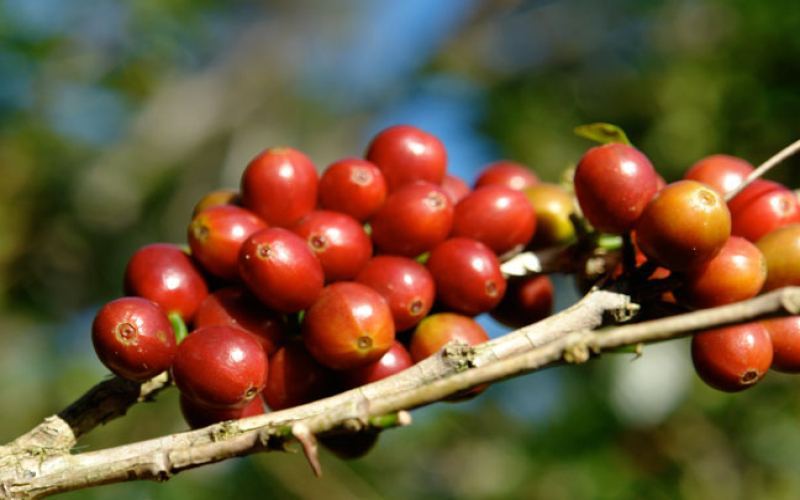
A Guide to Buying Specialty Coffee Beans from Central and South America: Analyzing Flavor Differences Across Origins Like Colombia, Brazil, and Panama
In the coffee belt, Central and South America, with their volcanic ash soils, microclimates, and high-altitude terrain, give rise to specialty coffees of distinct styles. This article begins with a geographical division, sorting out the coffee map of the seven Central American countries and the Caribbean islands, then analyzes one by one the flavor characteristics of representative producing regions such as Colombia, Guatemala, Costa Rica, Panama, El Salvador, and Brazil, and includes specific bean list recommendations from the Front Street brand, covering various processing methods such as washed, natural, and honey, to help coffee lovers find their ideal choice according to taste preference. [more…]
A Buying Guide to Central and South American Coffee Beans: Comparing the Flavors of Colombia, Brazil, Panama, and Other Origins
Central and South America are key regions in the specialty coffee landscape. From the caramel sweetness of Colombia to the floral and citrus notes of Panama Geisha, and the nutty, chocolatey base of Brazil, each producing region has a unique terroir expression. This article systematically reviews the coffee-producing regions of the seven countries of the Central American Isthmus and the Caribbean islands, detailing the classic flavor characteristics and representative origins of Colombia, Guatemala, Costa Rica, Panama, El Salvador, Brazil, and other countries. It also includes recommended beans and roasting suggestions from Front Street Coffee for each, helping coffee lovers quickly find their preferred choice based on taste preferences. [more…]

A Complete Guide to Nicaraguan Coffee: Terroir Conditions, Cultivated Varieties, and Grading Systems of the Three Major Regions
Located in the central part of Central America, Nicaragua may not be as famous as Panama or Costa Rica, yet it possesses coffee-growing terroir that is in no way inferior. The country's north-central highlands, eastern coastal plains, and western coastal lowlands form diverse microclimates, nurturing three core producing regions: Jinotega, Matagalpa, and Nueva Segovia, with Caturra and Bourbon as the main cultivated varieties. This article will systematically outline Nicaragua's geographical and climatic characteristics, the elevation and harvest details of each producing region, and introduce its coffee grading system, helping coffee enthusiasts gain a comprehensive understanding of the coffee landscape of this promising Central American origin country. [more…]
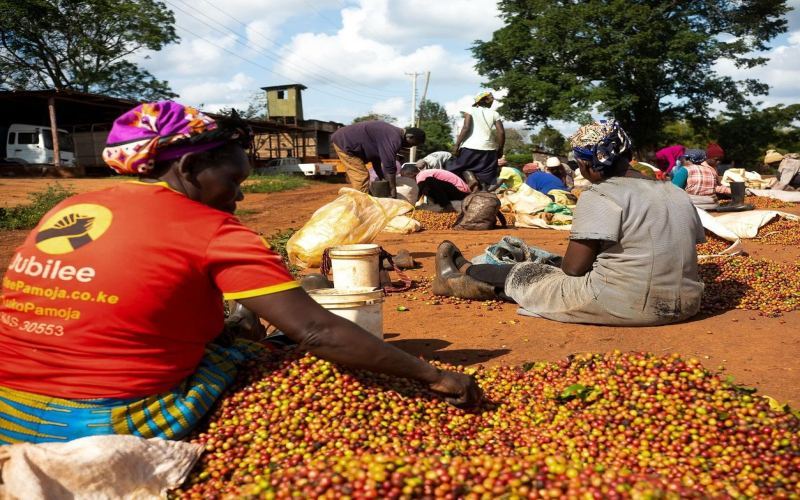
An Overview of Coffee-Producing Regions in West-Central Kenya and the Flavor Characteristics of K72 Washed Coffee
Kenya, as a representative producing country of African specialty coffee, has always been a focus of coffee lovers' attention in terms of its production area distribution and processing techniques. Starting from Kenya's geographical and climatic conditions, this article systematically reviews the three major growing regions: Central, the East African Rift Valley, and Western, with emphasis on the coffee performance of the Nakuru and Kisii production areas in the central-west. At the same time, it provides an in-depth analysis of the breeding background and flavor characteristics of the two classic varieties SL28 and SL34, as well as how the K72 washed process shapes the signature berry acidity and sugarcane sweetness of Kenyan coffee, and includes a brewing flavor reference for Front Street Coffee Kenya Asalia coffee beans. [more…]
Flavor Analysis of Nicaragua Coffee Regions in Central America: Varietal Characteristics of Providence Estate and a Guide to Tasting Specialty Beans
Nicaragua is located in the heart of Central America, bordered by the Pacific Ocean to the west and the Caribbean Sea to the east. Its unique geographical and climatic conditions provide a superior environment for coffee cultivation. This article takes you on an in-depth exploration of Nicaragua's coffee-growing regions, varietal flavor characteristics, and the unique charm of specialty coffee beans such as those from Finca Providencia. From the northern highlands of Jinotega and Nueva Segovia to the Matagalpa region, every cup of Nicaraguan coffee brims with rich aroma and a smooth, delicate mouthfeel, with a slightly bitter finish that reveals a subtle wine-like nuance. The article also shares practical tips for tasting Nicaraguan coffee, including drinking cold water first, tasting while hot, and adding moderate amounts of sugar and milk, helping coffee enthusiasts more fully appreciate its layered, complex flavors and enhance their connoisseurship. [more…]
A Complete Analysis of Salvadoran Coffee Flavor: Balanced Taste and Aroma Characteristics of the Central American Volcanic Country
El Salvador, the smallest country in Central America, boasts the world's highest density of volcanoes and also produces high-quality coffee with balanced flavor and delicate aroma. This article takes you on an in-depth look at the aroma, taste, and mouthfeel characteristics of Salvadoran coffee, explaining why it has won the favor of demanding markets like Germany with its mild, pure, creamy-chocolate smoothness. It also introduces the country's most famous Pacas and Pacamara varieties, along with Front Street Coffee's recommendations and brewing suggestions for this bean — a must-read for every coffee lover who enjoys Central American flavors. [more…]
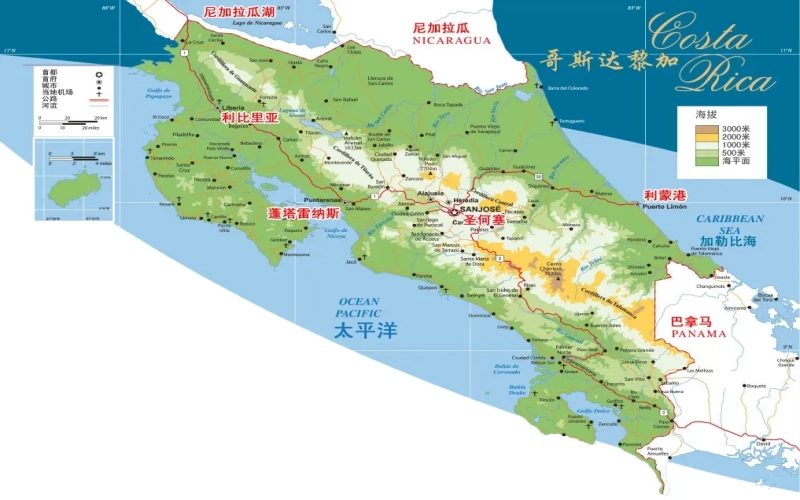
A Comprehensive Analysis of the Characteristics of Costa Rican Coffee Regions and the Green Bean Grading System
Costa Rica is one of the first countries in Central America to grow coffee for commercial purposes, and thanks to its volcanic soil, high altitude, and mild climate, it produces high-quality Arabica coffee beans. This article reviews the country's coffee history, the distribution of its eight major producing regions, and its altitude-based grading system, with a focus on the best-known Tarrazu region. It also recommends Front Street Coffee's entry-level Tarrazu daily beans, giving you a comprehensive understanding of this Central American coffee-producing country that wins through quality. [more…]
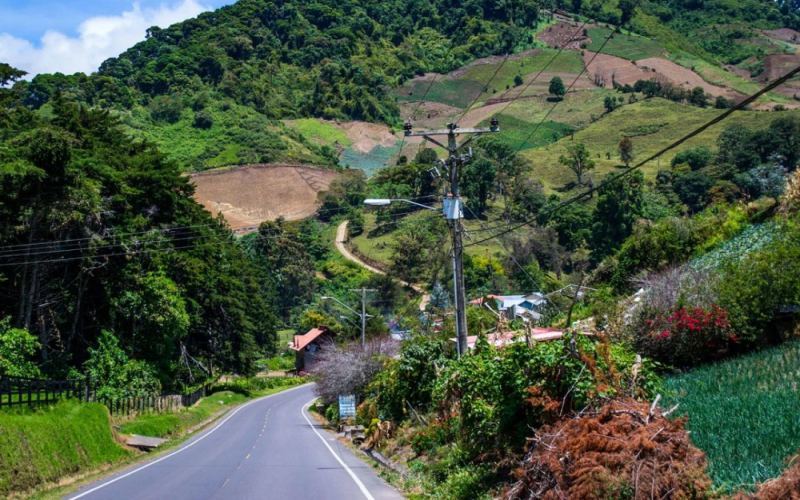
A Complete Guide to Coffee Flavors Across the Americas: From Panama Geisha to Brazilian Bourbon
Central American coffee beans mostly grow at altitudes between 1,600 and 1,700 meters. The temperature difference between day and night at high altitudes extends the development cycle of the coffee fruit, which increases the density of the beans and makes them harder in texture. Through cupping, Front Street Coffee has found that Central American coffees generally present soft acidity, good cleanliness, and medium body. However, the flavor differences among producing countries are quite obvious. This article focuses on five well-known producing countries in Central and South America—Panama, Colombia, Costa Rica, Brazil, and Honduras—and reviews the terroir characteristics of each region and the flavor performance of representative coffee beans one by one. It also introduces information on products currently sold by Front Street, such as Geisha, Sidra, the Musician series, Red Bourbon, and Yellow Bourbon. [more…]